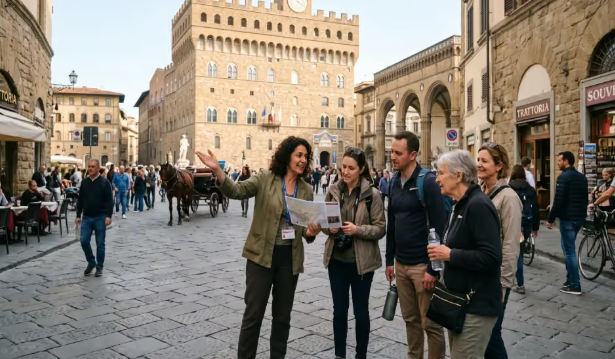
A tour guide’s clothing does a surprising amount of work. It identifies them in a crowd of visitors, keeps them comfortable through a full day outdoors, and shapes the first impression a guest forms of the whole operation. Yet many tour companies, lodges, and campgrounds leave staff to sort out their own outfits, and the result is a patchwork of mismatched, weather-beaten clothing.
A simple, deliberate staff clothing plan fixes this. This guide is written for operators of walking tours, boat trips, glamping sites, outdoor venues, and similar businesses.
Why Staff Clothing Is Part of the Guest Experience
Guests who arrive at a meeting point want to find their guide quickly. A coordinated layer makes that easy, particularly at busy trailheads, piers, and visitor centers. It also signals competence. A team dressed consistently and appropriately for the conditions looks prepared, and guests tend to trust prepared people.
Comfort matters as much as appearance. A guide who is shivering at the start of a coastal walk or overheating on a climb will not give their best performance, however knowledgeable they are.
Map Out a Day in the Life
Before choosing garments, walk through a typical shift. Note when staff start, how long they stand still, when they are active, and what the weather does between morning and evening. A boat deckhand, a trail guide, and a front-of-house host at an outdoor restaurant all have different patterns.
Group your staff by role, then ask three questions for each group:
- How much of the shift is spent standing still versus moving?
- How exposed are they to wind, rain, or sun?
- How important is it that guests can identify them quickly?
Your answers lead directly to a sensible kit.
Choose a Small, Flexible Kit
Resist the urge to issue a long list of items. A compact kit of two or three layers is easier to budget and easier for staff to manage.
The Easy Everyday Layer
For much of the season, guides need something light that they can wear all day without noticing. Lightweight Jackets are a natural candidate for this role because they pack down, layer well, and suit a variety of tasks from leading a group to loading equipment. When evaluating options, read the product information closely, ask about fabric and fit, and have a few guides test samples on a real shift before you commit to a team-wide order.
The Warm Layer for Standing Still
Operators running dawn departures, sunset cruises, or winter experiences need something warmer for the moments when staff is not moving. Many businesses that outfit larger teams compare a wholesale puffer vest option for this purpose, since a vest keeps the core warm while leaving the arms free for gesturing, carrying, and handling gear. Buying in volume can also make it easier to keep colors and sizes consistent as seasonal staff come and go. Check the supplier’s details on minimum quantities and lead times before planning the purchase.
Handle Branding Thoughtfully
A small logo on the chest or sleeve is enough. Oversized graphics can look more like advertising than a uniform, and guests may find them off-putting. Choose colors that suit your surroundings and photograph well, since guests will photograph their guides. Ask your decorator for a proof before approving a full run.
Plan for Sizing and Turnover
Outdoor hospitality has seasonal turnover, which complicates uniform planning. A few practical habits help.
- Record sizes at hiring. Add a size field to your onboarding form.
- Keep a buffer. Hold a few extra items in common sizes for new hires and replacements.
- Decide on ownership. Will staff keep garments or return them? State the rule in writing.
- Clean between wearers. If items are returned, launder and inspect them before storing.
Brief Staff on How to Layer
Even good gear fails when people do not know how to use it. A five-minute briefing can cover the basics: wear a breathable base, add warmth only when needed, and keep a light layer within reach. Encourage guides to carry their layers in a small pack so they can adapt without leaving the group.
Gather Feedback and Adjust
After a few weeks, ask staff what is working. Common comments include pockets that are hard to reach with gloves on, collars that rub, or layers that do not fit comfortably over one another. Fixing small issues now makes next season’s order much better.
Final Thoughts
Good staff clothing is a quiet investment in guest experience. Understand the rhythm of each role, keep the kit small, choose layers that work together, and listen to the people wearing them. When guides are comfortable and easy to identify, guests notice and remember.