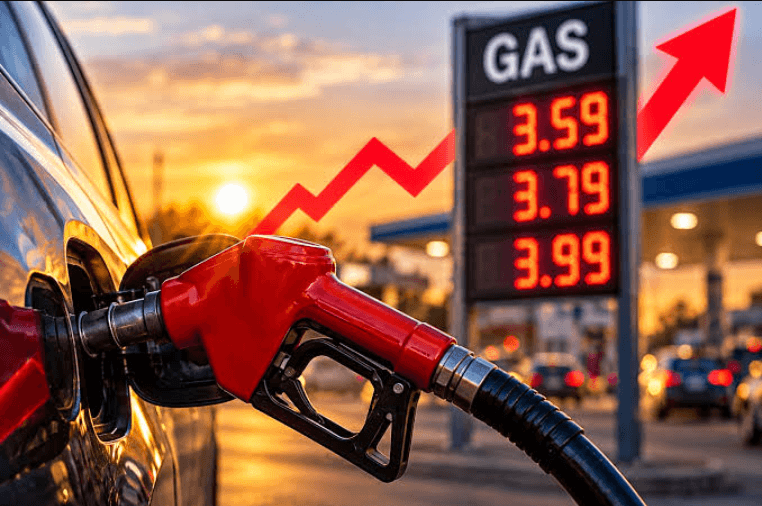
Business gas is one of those costs that owners pay without really questioning, right up until a renewal quote lands with a number that makes them sit up. Unlike the fixed rhythm of rent or salaries, gas prices move, sometimes sharply, and a business that does not keep an eye on them can end up paying far more than it needs to. Understanding why prices shift, and how to take control of what you pay, turns an unpredictable bill into something you can actually manage.
What drives business gas prices
Gas is a traded commodity, and its wholesale price responds to global events: supply and demand, weather, geopolitics, storage levels, and the strength of the wider energy market. When any of these tighten, wholesale prices rise, and suppliers pass that through to business customers. This is why the rate you were quoted two years ago may look nothing like today’s.
On top of the wholesale cost sit other elements: transportation and distribution charges, supplier margins, and various levies. The result is a unit rate and a standing charge that together make up your bill. Because the wholesale portion is the most volatile, timing and contract choice have a big influence on what you ultimately pay.
Why so many businesses overpay
The single biggest reason businesses pay too much is inertia. A contract is signed, it works, and nobody looks at it again. When it lapses, many businesses roll onto out-of-contract or deemed rates, which are among the most expensive tariffs available. Suppliers have no reason to move you to a cheaper deal automatically, so a business on autopilot effectively volunteers to overpay.
The fix is to treat gas procurement as an active task rather than a set-and-forget one. Knowing when your contract ends, watching the market, and comparing options before you renew are what separate the businesses that control this cost from the ones that are controlled by it.
Fixed versus variable contracts
Business gas contracts generally come as fixed or variable. A fixed contract locks your unit rate for the term, giving you certainty and protecting you if wholesale prices climb. The trade-off is that you will not benefit if prices fall. A variable contract moves with the market, which can save money when prices drop but exposes you to rises.
For most businesses that value predictable budgeting, a fixed contract agreed at a sensible moment offers peace of mind. The art is in the timing and in not getting locked into a long fixed term just as the market peaks. This is where seeing current rates matters, because a decision made blind is a gamble.
How to take control
The practical steps are straightforward. Know your contract end date and set a reminder well before it. Have your recent usage figures to hand, since accurate consumption data produces accurate quotes. Then compare what is available rather than simply accepting your existing supplier’s renewal offer. Checking live business gas prices from across the market lets you see what you could be paying rather than guessing, and it gives you leverage to negotiate or switch. A comparison service handles the legwork and the switching paperwork, which removes most of the friction that stops busy owners from acting.
Switching supplier is usually far simpler than people fear. Your gas supply does not change or get interrupted. Only the billing arrangement does. For a change that can meaningfully cut a recurring cost, the effort is small.
Timing and strategy
There is no magic moment that guarantees the lowest price, because nobody can perfectly predict the market. What you can do is avoid the obvious mistakes: do not lapse onto deemed rates, do not auto-renew without comparing, and do not lock into a long fixed term purely out of fear. Reviewing your position every year, and comparing before each renewal, puts you in a far stronger position than reacting to whatever quote arrives.
For businesses with significant gas use, it can also be worth spreading risk, for example by not renewing everything at a single moment. The principle throughout is the same: stay informed and stay active.
The bottom line
Business gas prices move because gas is a global commodity, and that volatility is not going away. What you can change is how you respond to it. Businesses that know their renewal dates, watch the market, and compare rates before committing consistently pay less than those that let contracts roll over. Treat gas as a cost to manage rather than a bill to simply pay, and you turn an unpredictable expense into one you have real control over.
See also: How HR Consultants Help Businesses Manage Workplace Changes
Frequently asked questions
Why do business gas prices change so often?
Gas is a traded commodity, so its wholesale price responds to supply and demand, weather, geopolitics, and storage levels. Suppliers pass these changes through, which is why quotes vary over time.
What are deemed or out-of-contract rates?
These are the default, usually expensive, rates you pay if your contract lapses and you do not agree a new one. Rolling onto them is one of the most common reasons businesses overpay.
Is a fixed or variable gas contract better?
A fixed contract gives budget certainty and protects against price rises but misses any falls. A variable contract can save money if prices drop but carries more risk. Most businesses prefer fixed for predictability.
Does switching business gas supplier interrupt my supply?
No. The gas supply itself does not change or get interrupted. Only your billing and contract change, which is why switching is lower-hassle than many owners expect.
How often should I review my business gas contract?
At least once a year, and always before your contract renews, so you can compare current rates and avoid being moved onto expensive default tariffs.