Picture this: you’re standing in the cookware aisle, staring at a wall of gleaming pots and pans, or scrolling through endless online listings with hundreds of five-star reviews pulling you in every direction. You just want to cook a decent meal without burning your sauce or your wallet. Sound familiar? For new cooks, one of the first big decisions comes down to a surprisingly tricky question: should you invest in a complete cooking pot set with lids, or carefully select individual saucepans one at a time? It’s not just about money—it’s about getting tools that actually match how you cook right now, not how you imagine cooking five years from now. In this guide, we’ll break down the real pros and cons of each approach, walk you through a practical buyer’s framework, and help you land on the most budget-friendly choice that sets you up for success from your very first simmer. Whether you’re outfitting your first apartment or upgrading hand-me-down pots, clarity starts here.
The Saucepan Essentials: What You Need to Know
A saucepan is the tall-sided, single-handled pot you’ll reach for more than almost anything else in your kitchen. It’s your go-to for heating soup, cooking rice and oatmeal, boiling eggs, making pasta sauce, melting butter, and reheating leftovers. Unlike a skillet or a wide stockpot, its relatively narrow diameter and high walls help liquids heat evenly without splattering everywhere—making it ideal for anything that bubbles, reduces, or needs gentle simmering.
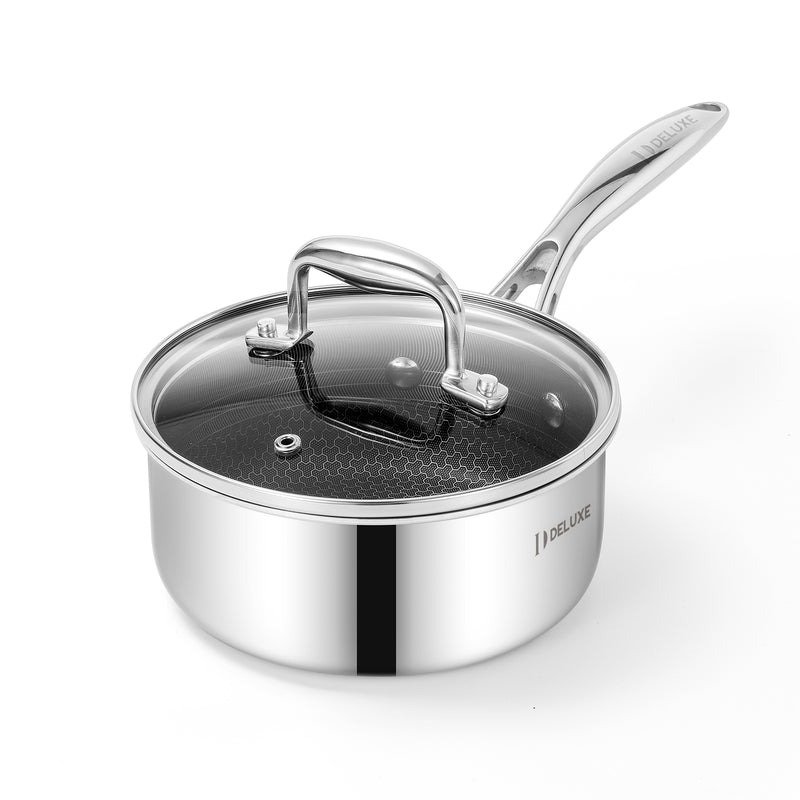
Why does choosing the right saucepan matter so much? A poorly constructed one creates hot spots that scorch your grains or curdle your cream sauce. A flimsy handle loosens over time, turning a simple pour into a dangerous juggling act. The right saucepan distributes heat consistently, responds when you adjust the burner, and feels balanced in your hand—all of which directly affect whether your food turns out well or ends up stuck to the bottom.
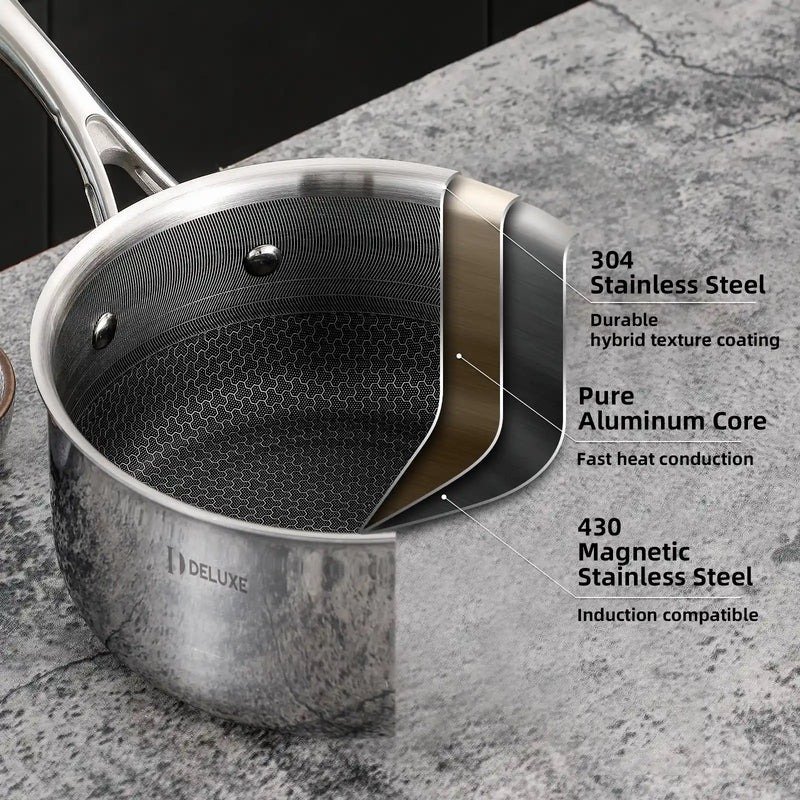
Before diving into the set-versus-singles debate, it helps to understand the basic landscape. Saucepans typically come in stainless steel (durable, non-reactive, but can stick without technique), non-stick coatings (beginner-friendly, easy cleanup, but less durable long-term), and aluminum or aluminum-clad constructions (excellent heat conduction, often the core inside stainless layers). Sizes generally range from a small 1-quart pan perfect for warming a single serving, through the versatile 2-quart middle ground, up to a 3-quart version that handles batch cooking and larger portions. Knowing these fundamentals gives you a solid foundation for every decision that follows.
Sets vs. Singles: Breaking Down the Great Cookware Debate
This is the fork in the road every new cook faces, and both paths have genuine merit. The right choice depends less on what’s objectively “better” and more on how you actually live and cook today. Let’s examine each side honestly.
The Case for Buying Cooking Pot Sets with Lids
A cooking pot set with lids offers immediate convenience that’s hard to beat. You get multiple sizes in one purchase, each with a perfectly matched lid—no guessing whether that cover from your old pot will sit flush on your new one. Per-piece cost is almost always lower than buying equivalent items individually, which matters when you’re furnishing a kitchen from scratch. Sets also deliver a cohesive look on your shelf or hanging rack, and many beginner-friendly collections include the core sizes (typically 1-quart, 2-quart, and 3-quart) that cover ninety percent of everyday tasks. However, budget sets sometimes cut corners on construction—thinner bases, rivets that loosen, or coatings that wear quickly. You might also end up with a piece or two you rarely touch, like a tiny butter warmer or an oddly sized lid, which takes up cabinet space without earning its keep.
The Case for Buying Individual Saucepan Pieces
Buying individual saucepans puts you in the driver’s seat. You choose the exact material, weight, and brand for each piece, ensuring every pan in your collection meets your standards. If you only cook for one, you might need just a single 2-quart saucepan right now—why pay for three? Mixing brands lets you grab a non-stick option for oatmeal and a stainless steel piece for reductions without committing to one manufacturer’s entire lineup. The trade-offs are real, though: individual pieces carry a higher price tag per item, and sourcing lids separately can be frustrating since universal lids don’t always seal well. You’ll also spend more time researching each purchase, reading reviews, and comparing specs—effort that a pre-curated set eliminates entirely.
Your Guide to the Best Saucepans for Cooking: A Buyer’s Handbook for New Cooks
Knowing the debate is one thing—actually making a smart purchase is another. This step-by-step framework cuts through the noise and helps you land on the best saucepans for cooking within your means.
Step 1: Assess Your Actual Cooking Needs & Budget
Before browsing a single product page, spend five minutes auditing your real cooking life. What do you actually make during a typical week? If it’s mostly reheating soup, cooking rice, and occasionally making pasta sauce, you don’t need five pieces—you need one or two reliable ones. Think about how many people you feed regularly; solo cooks can get away with smaller pans, while couples or meal-preppers benefit from a 3-quart option. Next, set a realistic budget. Decide what you can spend without stress, then protect about fifteen percent of that total as a buffer for a replacement lid or an add-on piece down the road. Framing affordability this way keeps you from overspending on a flashy set or underspending on something that falls apart in six months.
Step 2: Key Features to Look For (Material, Size, Lid)
Material choice shapes your daily experience. Aluminum-core or aluminum-clad stainless steel offers the best balance for beginners: even heating without the reactivity that can taint acidic sauces. Pure non-stick works beautifully for oatmeal and delicate tasks but won’t tolerate high heat or metal utensils long-term—treat it as a convenience piece rather than your workhorse. For size, a 2-quart saucepan is the single most versatile pick; it handles everything from a cup of rice to a batch of soup for two. Add a 3-quart if you cook larger portions or boil eggs frequently, and consider a 1-quart only if you melt butter or warm small amounts of liquid often. Regarding lids, a well-fitting lid traps steam, speeds boiling, and prevents splattering—look for lids that sit snugly without rattling. Oven-safe handles (typically stainless steel or silicone-wrapped) give you the flexibility to finish dishes under a broiler or transfer to the oven without swapping pans.
Step 3: Where to Buy Saucepan Sets & Pieces Online
When you buy saucepans online, start by reading saucepan reviews on retailer sites and independent cooking forums—look for comments that mention long-term durability rather than just unboxing impressions. Filter reviews by verified purchases and pay attention to complaints about warping, loose handles, or peeling coatings after several months of use. Reputable retailers like Amazon, Target, and direct brand websites often carry well-reviewed beginner lines from manufacturers known for consistent quality control. Before clicking “add to cart,” check the return policy: a 30-day window with free returns gives you the freedom to test the pan on your specific stove and send it back if the weight or balance feels wrong. Finally, sign up for email alerts or wait for seasonal sales events—cookware frequently drops in price during holiday promotions, saving you money without sacrificing quality.
Top Recommendations: Navigating Affordable Options
If a set makes sense for your situation, look for a three-piece saucepan collection from a brand with a strong track record in aluminum-clad stainless steel construction. Tramontina’s Tri-Ply Clad line, T-fal’s stainless steel sets, and Deluxe Cookware’s lid-included collections consistently earn high marks from beginners for even heating, secure-fitting lids, and handles that stay cool during stovetop use. These brands have built reputations on delivering reliable performance without premium pricing, and their sets typically include the 1-quart, 2-quart, and 3-quart sizes that cover daily cooking tasks comprehensively.
For those building a collection piece by piece, a single Cuisinart MultiClad Pro 2-quart saucepan offers exceptional heat distribution and a drip-free pouring rim that new cooks appreciate immediately. If you want a non-stick companion for oatmeal and delicate sauces, a 1.5-quart or 2-quart pan from Calphalon’s Classic line delivers easy-release performance that holds up well over moderate use. Each of these picks balances durability with affordability and carries hundreds of verified positive reviews confirming long-term satisfaction—exactly the combination a new cook needs to feel confident about the investment.
Making Your Final Decision: A Simple Framework
When the options blur together, bring it back to three simple questions. First, are you starting from zero with no cookware at all? If yes, a set gives you immediate coverage across sizes with matching lids—less decision fatigue, faster path to cooking. Second, do you already own a piece or two that works well and just need to fill a gap? Then buy individually, targeting the exact size and material that complements what you have. Third, is your budget tight with no room for unused pieces collecting dust? Individual buying lets you spend only on what you’ll actually use this month. For most new cooks setting up a first kitchen, a three-piece set with lids offers the simplest on-ramp: affordable, complete, and ready to handle nearly every beginner recipe without overthinking. If you’re particular about quality or cook very specific meals, building piece by piece rewards your patience with a curated collection you’ll love using daily.
Start Cooking with Confidence: Your Smart Saucepan Investment
There’s no universal right answer to the sets-versus-singles question—only the answer that fits your kitchen, your habits, and your budget right now. The most important takeaway is that an informed decision, even a modest one, beats an impulsive splurge every time. Start with the most versatile sizes you’ll actually use, prioritize a well-fitting lid that keeps steam where it belongs, and resist the urge to overcomplicate your first purchase with pieces you won’t touch for months. Whether you grab a three-piece set that covers all your bases or invest in a single high-quality 2-quart saucepan that does everything you need today, you’re making a choice rooted in practicality rather than marketing hype. The right tool doesn’t just cook food better—it builds your confidence at the stove, meal after meal. Once you trust your equipment, you’ll experiment more, waste less, and actually enjoy the process. That’s the real return on a smart cookware investment.