The landscape of healthcare has dramatically evolved over the years, with the concept of “hospital beds” being central to patient care in hospitals and medical facilities. These essential components not only provide a resting space for patients but also integrate advanced technology aimed at fostering comfort and promoting recovery. The advancement in the design and functionality of hospital beds continues to be critical in responding to the needs of patients and healthcare providers alike, adapting to various medical conditions and treatment methodologies. Understanding the diverse functionalities these beds offer can significantly improve patient outcomes and facilitate more efficient healthcare services.
Historical Context of Hospital Beds
Historically, hospital beds have undergone a substantial transformation from rudimentary structures to sophisticated units. Early designs were minimalistic, often repurposing what might have otherwise been used in conventional bedroom settings. As medical understanding and technology progressed, so too did the design of hospital beds, adapting to the needs for sterility, comfort, and specific clinical requirements. By the mid-20th century, powered beds with adjustable components began to emerge, allowing healthcare professionals to position patients to alleviate discomfort and provide better accessibility for medical interventions.
Modern Features and Functionalities
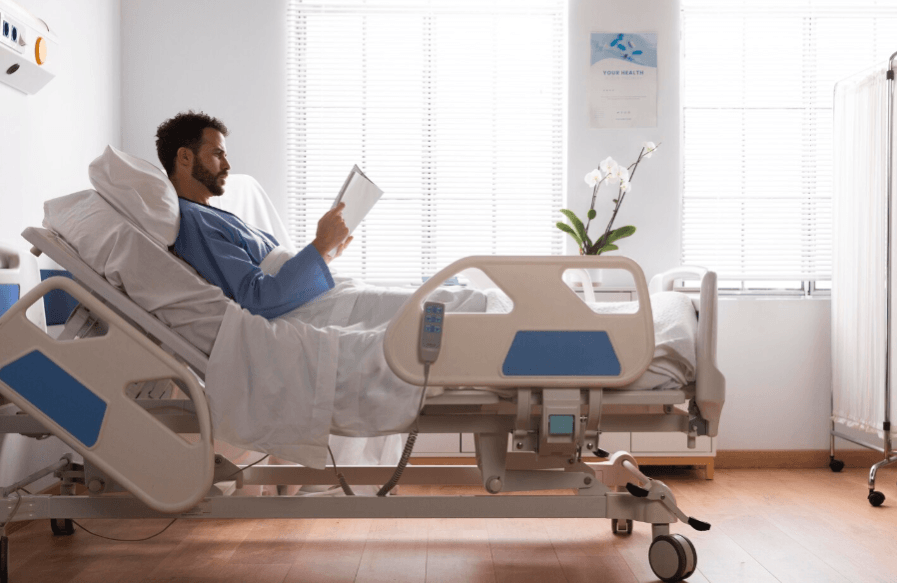
Modern hospital beds are equipped with a variety of features designed to address a wide range of patient care needs. These include adjustable height and side rails, which improve both patient comfort and safety for caregivers. The ability to raise or lower the height of the bed helps in transferring patients and reduces the risk of falls, while adjustable back and knee regions provide comfort and aid in patient positioning for different medical procedures.
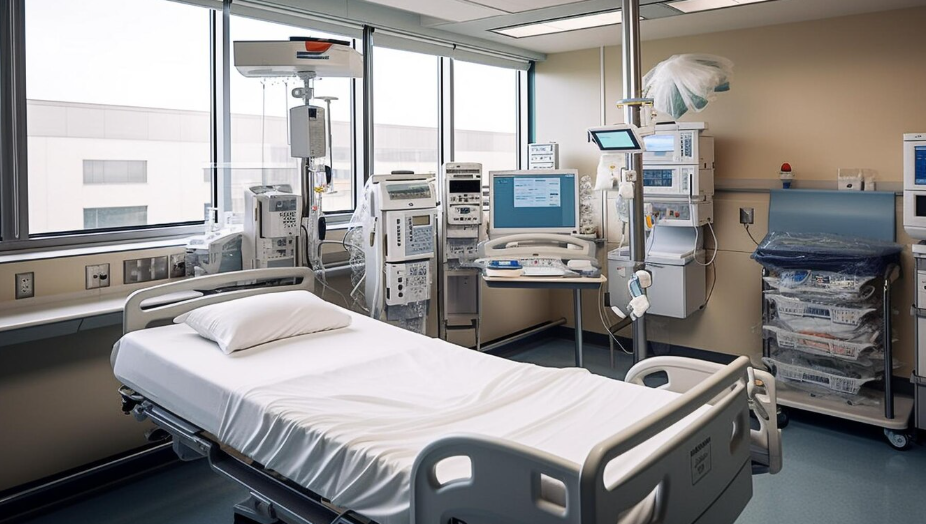
Additionally, modern hospital beds often incorporate technology that allows for electronic monitoring and control. These systems can include weight sensors to monitor a patient’s movements or vital signs, helping healthcare providers gather crucial data without being invasive. Some high-end models feature integrated warming systems to maintain patient body temperature, which can be critical in certain medical treatments.
The Role of Hospital Beds in Patient Recovery
Hospital beds play an instrumental role in patient recovery and overall healthcare. They are essential in reducing complications such as pressure ulcers, which can result from prolonged periods of immobility. Beds that facilitate mobility and repositioning can help in maintaining circulation and tissue viability, directly impacting recovery times and quality of life for patients.
Moreover, the customisation possibilities offered by hospital beds mean that they can be adapted to suit individual patient needs. For example, bariatric beds are specifically designed for overweight patients and can support higher weight capacities, providing the necessary breadth and length to accommodate larger body sizes comfortably. Paediatric hospital beds, on the other hand, consider the size and psychological comfort of children during hospital visits.
Infection Control and Hospital Beds
One of the paramount concerns in hospitals is infection control, and the design of hospital beds plays a crucial part in this effort. Materials used in hospital bed construction need to be easily sanitised, durable, and resistant to pathogens. Many modern hospital beds utilise antimicrobial materials and feature surfaces designed to prevent bacterial growth, thereby reducing the spread of healthcare-associated infections (HAIs).
Environmental Impact and Sustainability
With growing awareness of environmental issues, hospital bed manufacturers are increasingly considering sustainability. The design of hospital beds now often includes environmentally friendly materials and processes. Beds made from sustainable sources or recyclable materials can contribute to reduced waste and environmental impact. Additionally, the efficiency of powered beds, with respect to energy consumption, is another consideration for hospital administrators looking to incorporate eco-friendly practices into their operations.
Technological Innovations and Their Impact
Technological advancements continue to redefine the capabilities of hospital beds. Smart beds equipped with sensors may provide real-time data analytics for health monitoring, enabling personalised treatment approaches. Such smart systems could integrate with hospital-wide networks, allowing seamless updates on patient status, which would inform healthcare teams promptly. The promise of integrating artificial intelligence and machine learning into hospital bed technology also holds potential for further advances in predictive care and automated decision-making support.
Challenges and Opportunities
Despite the significant progress in hospital bed design and functionality, several challenges persist. Costs can be prohibitive, particularly for hospitals operating under strained budgets. However, investing in technologically advanced hospital beds can reduce costs associated with prolonged patient stays and improve outcomes through enhanced patient care.
Moreover, the dual focus on comfort and safety presents a continuous opportunity for innovation. There is an ongoing need to strike a balance between patient needs for comfort and the practical requirements of medical staff for accessibility and operational efficiency. As the population ages and the demand for healthcare services rises, innovation in hospital beds must align with evolving needs.
Future Directions
The future direction of hospital beds likely involves further integration of wireless telemetry and patient engagement systems, facilitating communication between medical teams and providing autonomy to patients. Advanced ergonomic designs will be paramount in addressing the comfort and care standards required by diverse patient demographics. Finally, continued research and interdisciplinary collaboration are expected to drive innovation in materials and designs, along with cost-effective solutions for wider accessibility.
In summary, as pivotal elements of the healthcare infrastructure, hospital beds will continue to evolve and adapt to new medical insights and technological advancements. Bridging the gap between patient needs and medical functionalities, these beds not only aid in the immediate care environment but also contribute to the broader goals of healthcare quality and efficiency.