Three functions, and they are not variations on one another
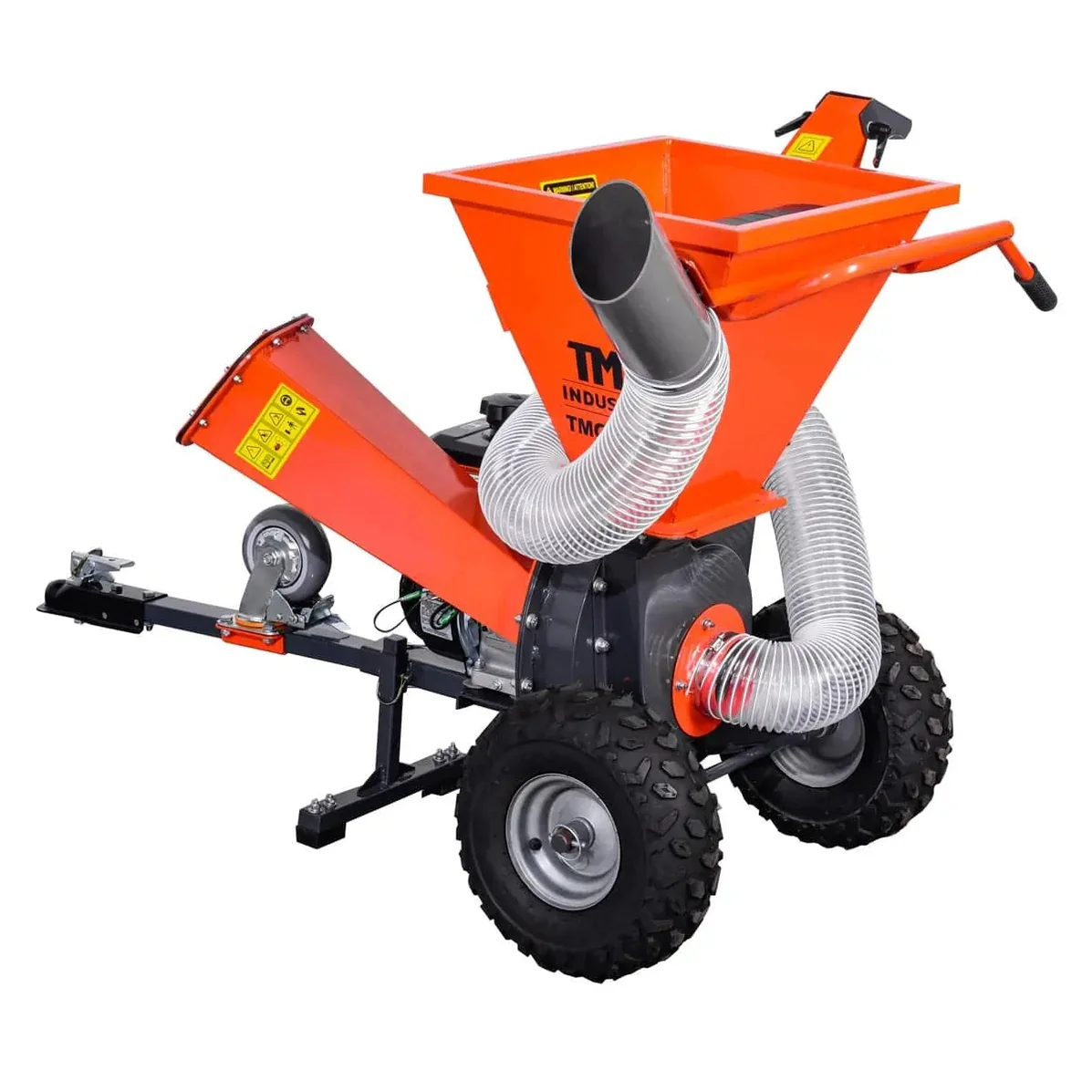
Yard cleanup in the United States runs from the end of summer through the leaf fall that follows, and the material changes completely along the way. A three in one chipper shredder handles that range because it contains three separate mechanisms rather than one mechanism used three ways.
Branches, soft green waste, and dry leaves fail in different ways. A blade that slices a branch cleanly will wrap itself in wet stalks, and a mill that pulverizes leaves will stall on anything woody. Sending each material down its own path is what makes a single machine practical.
Woody material goes to the blades
The chipping chute on a chipper shredder feeds a disc carrying knives that shear across the grain, reducing a branch to chips the size of a coin. Wood is stiff enough to be cut this way, and a clean shearing action is far more efficient on it than any amount of hammering would be.
See also: How Technology is Revolutionizing the Furniture Industry
Soft and stringy material goes to the hammers
The shredding hopper on a chipper shredder drops material onto swinging hammers that beat rather than cut. Wet stems, prunings, and garden trimmings tear apart under repeated impact, which is exactly what the same material would refuse to do against a blade set for wood.
This is why feeding the wrong chute is the most common mistake with a chipper shredder. The machine does not object at the time, and the operator finds out afterward when the knives need sharpening far sooner than they should have.
The vacuum handles what neither of the others can pick up
Leaves cannot be fed into anything, because they are already small and scattered across a lawn rather than gathered into a pile. The vacuum inlet on a chipper shredder solves the collection problem rather than the reduction problem, drawing them off the ground and delivering them to the mill in one pass.
That changes the arithmetic of autumn cleanup. Raking, bagging, and hauling become one continuous operation, and the material arriving in the collection bag is already reduced enough that a season of leaves fits into a compost bin instead of a trailer.
Yard waste divides by how it must be reduced
•Branches: sheared by blades on a disc
•Green waste: torn apart by swinging hammers
•Loose leaves: collected first, then milled
Where the vacuum earns its keep and where it does not
•Strength: collection and reduction in one pass
•Strength: leaf volume drops enough to compost
•Limit: wet matted leaves resist suction
•Limit: gravel and stones must be avoided
Weighed against a chipper shredder that only chips, the third function costs a little size and returns a machine used across the whole season rather than for two weekends of it. A homeowner in Vermont credits the vacuum with the fact that the machine comes out most weeks instead of twice a year.
Garden machines are being judged on how often they are used
Buyers increasingly weigh how many weekends a year a machine will actually come out of the shed, which favors equipment covering several jobs over specialized tools that sit idle between the few occasions that suit them.
That way of judging value is why the garden equipment TMG Industrial supplies combines separate mechanisms in one frame rather than asking one cutting system to handle every kind of material.